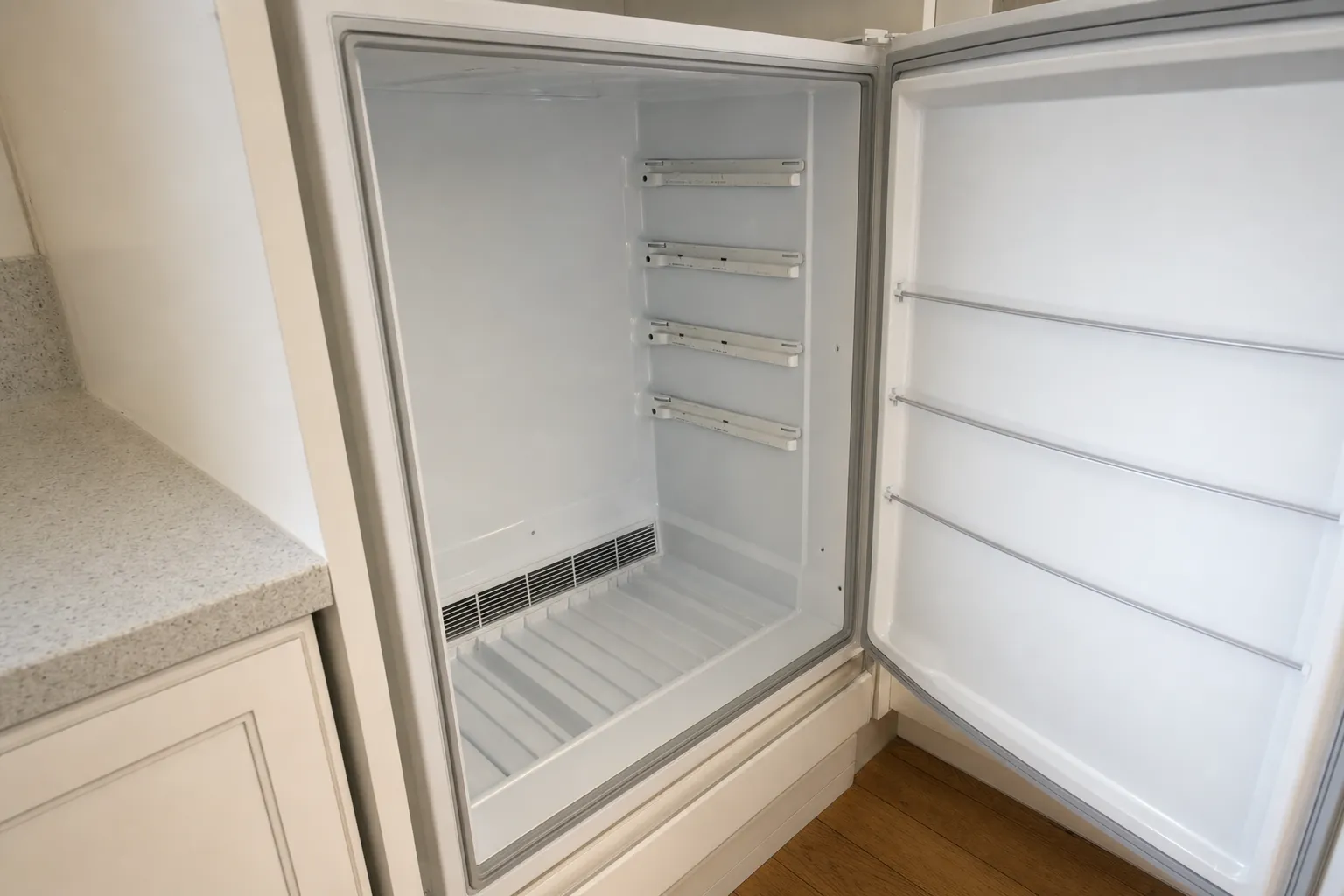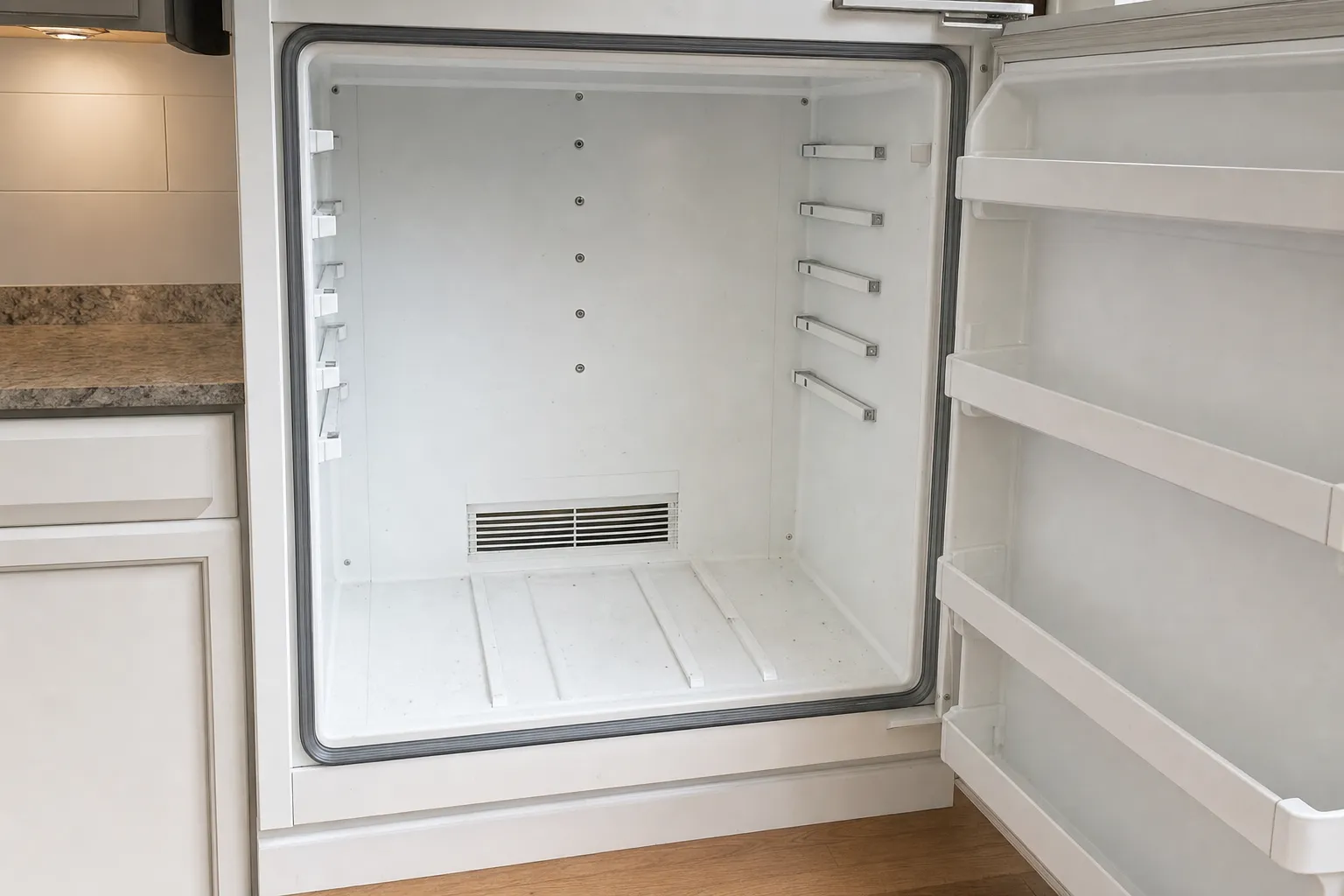
When the cubes come out small, hollow or cloudy, it is tempting to blame the water bill. In Kirkland that bill comes from the city or, in parts of the north end, from a utility district, and it is fair to ask whether one supply is harder on a Viking than the other. For the ice maker, the answer is usually no. What matters is the short stretch of pipe between your meter and the freezer.
Who supplies your water?
The City of Kirkland supplies most of the city. Its 2026 water quality report notes that Northshore Utility District and one other district serve certain portions of north Kirkland, and Northshore lists parts of Kirkland among the areas it serves. The quickest way to know which one is yours is the name at the top of your water bill.
Is the water itself different?
At the source, not in 2025. The city buys its water as a member of Cascade Water Alliance, and its report says two Cascade Mountains watersheds, the South Fork Tolt and the Cedar River, supply all of it; in 2025 the city took no Cedar River water at all. Northshore’s report says its water comes mainly from the Tolt River watershed through the Tolt pipeline, with the Cedar as the fallback, and that in 2025 it received Tolt water only.
So that year, city and Northshore bills paid for the same mountain water. The city’s report lists the Tolt supply’s hardness at 1.46 grains per gallon, measured as calcium carbonate. Whichever of the two names is on your bill, the water reaching the refrigerator started in the same watershed.
What does the provider decide, then?
Everything on its side of the meter: the mains, the meter itself, the street shutoff and the pressure delivered to the house. Northshore’s report names leaks and pressure among the concerns customers can raise with the district, and the city runs a Public Works emergency line around the clock. If the pressure is weak at every tap in the house, not only at the refrigerator, that is a question for your provider or a plumber rather than an appliance technician.
Everything on your side of the meter is yours: the house pipes, the valve that feeds the refrigerator, the line running to it and the filter inside it.
What does the ice maker need either way?
Two things, whoever sends the bill.
Pressure inside a range. The current Viking built-in side-by-side needs, by its installation guide, more than 20 psi and less than 120 psi on models without a dispenser, and more than 35 psi on models with one. The freestanding French-door guide caps the inlet at 90 psi and calls for a pressure-limiting valve once the supply runs above 80. Your own model’s installation guide gives its figures.
A filter that is not overdue. Viking’s support page describes an order light that comes on when a change is close and a replace light when it is due. The filter data for the current built-in side-by-side rates a cartridge for up to 750 gallons or up to nine months. Viking’s guide for its integrated columns warns that a filter left in too long can limit the flow reaching the ice maker.
Is it the supply or the appliance?
Signs that point at the supply, all on your side of the meter:
- the ice maker and the dispenser, if you have one, slowed down together
- the line is fed by a saddle valve; Viking warns that the self-piercing type punches a hole too small for the flow an ice maker needs
- the house has a reverse osmosis system, whose pressure Viking notes starts high and falls as its storage tank empties
- the valve feeding the refrigerator is partly closed, or the filter is past its date
- the line runs through a space that drops below 35°F, which Viking’s installation guide rules out
Signs that point at the appliance:
- the wire shut-off arm on the ice maker is raised; Viking’s installation checklist has it down
- the freezer is warmer than it should be, so cubes form slowly
- water reaches the dispenser but not the ice maker, or the other way round
Not a fault at all: cubes that have shrunk and clumped after a long spell in the bin.
When does it become a repair?
When the supply checks out (pressure normal at other taps, filter in date, valve open, arm down) and the ice still does not come, the fault is inside the refrigerator: the water inlet valve, the fill tube, the ice maker itself or the freezer’s temperature. Viking Repair Kirkland diagnoses that for $89, credited to the repair if you go ahead. Ice that tastes or looks odd is a separate question. Viking’s integrated column guide points first at the filter, where the unit sat switched off for over a month or the cartridge is past six months, and then at a plumber or water-treatment specialist to rule out the house supply.
Asked after reading this
Is Northshore water harder on an ice maker than city water?
Not on the evidence of 2025. Both providers' water quality reports say that year's supply came from the Tolt River watershed alone, so it was the same water at the source. What an ice maker notices is the valve, the line and the filter. Viking Repair Kirkland checks the refrigerator's end on (425) 629-0033.
Who do I call if the water line behind the refrigerator leaks?
Close the valve that feeds the refrigerator, or the main shutoff if you cannot find it. That line sits on the house side of the meter, not the provider's. For a leak at the refrigerator itself, call Viking Repair Kirkland on (425) 629-0033; for one in the house pipes, call a plumber.
How often should the water filter be changed?
Go by the lights first. Viking's support page treats the order light as the cue to buy a cartridge and the replace light as the cue to fit it. The built-in side-by-side's data sheet caps a cartridge's rated life at 750 gallons or nine months, and your own model's guide gives its figure.
Why are my ice cubes getting smaller?
If they have sat in the bin a long while, that is expected: Viking's integrated column guide notes that old cubes slowly shrink and stick together. If fresh cubes come out small, the ice maker is probably short of water, so check the valve, the filter date and the pressure at other taps first.